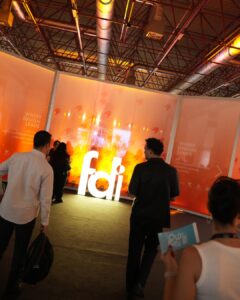
With our deep-rooted experience in textile technologies since 1996, we have closely witnessed every major transformation the industry has undergone, from production to design. Today, we are opening the most powerful chapter of this journey with artificial intelligence. As A.I.T, we aim to make the creative processes of the textile industry much faster, more efficient, and more flexible through the AI-powered design tools we develop.

For many years, design processes in the world of textiles and home textiles progressed through intense operational steps such as trend research, pattern variations, repeat (rapport) adjustments, and mockup preparations. This traditional cycle, which creates a significant workload for design teams—especially during collection periods—is now giving way to a much more dynamic workflow, thanks to the next-generation tools on the AIT AI Tools platform.
The tools we develop liberate the designer from the intensity of technical operations, allowing them to focus entirely on originality. Re-repeating a pattern or creating a realistic presentation on a product no longer takes hours; it takes seconds. While our Text to Imagine and Imagine tools allow for the creation of new pattern ideas in seconds using only text commands, our tools that enable the preparation of a holistic collection in seconds by uploading a moodboard take the creative process to a whole new dimension. The Style Transfer tool allows existing patterns to be reinterpreted with different design languages.
On the technical side, the Repeater tool makes repeat processes manageable in much shorter timeframes, while tools like Upscaler and Vectorizer bring visuals into professional, production-ready formats. In particular, the layered color separation we offer with the Color Separation tool accelerates the most critical stages of digital print preparation by ensuring zero pixel loss. Additionally, thanks to Mockup, 2D, and 3D Wear Design tools, visualizing the final version of a product before a physical sample is even produced both reduces costs and accelerates decision-making processes.
One of the most important contributions of artificial intelligence to the design world is accessibility. Many tasks that previously could only be performed by large teams or through long processes can now be brought to life much more quickly. This transformation means more than just speed; it also means flexibility, the freedom to experiment, and more creative alternatives. According to industry representatives, in the coming period, AI will become one of the standard tools of the textile industry through systems that analyze trends, offer pattern suggestions suitable for brand identity, and work integrated with production processes. This transformation does not only provide speed; it also creates a new working culture where designers can use their creativity more freely.
At A.I.T, we believe that this transformation will create a significant change not only in technology but also in the creative culture of the industry. Because in the design processes of the future, another issue as important as speed will be the liberation of the designer’s creativity. Artificial intelligence is coming not to take the place of design, but to take the potential of designers further. And it seems that the design language of the future in the textile industry has already begun to be rewritten today.